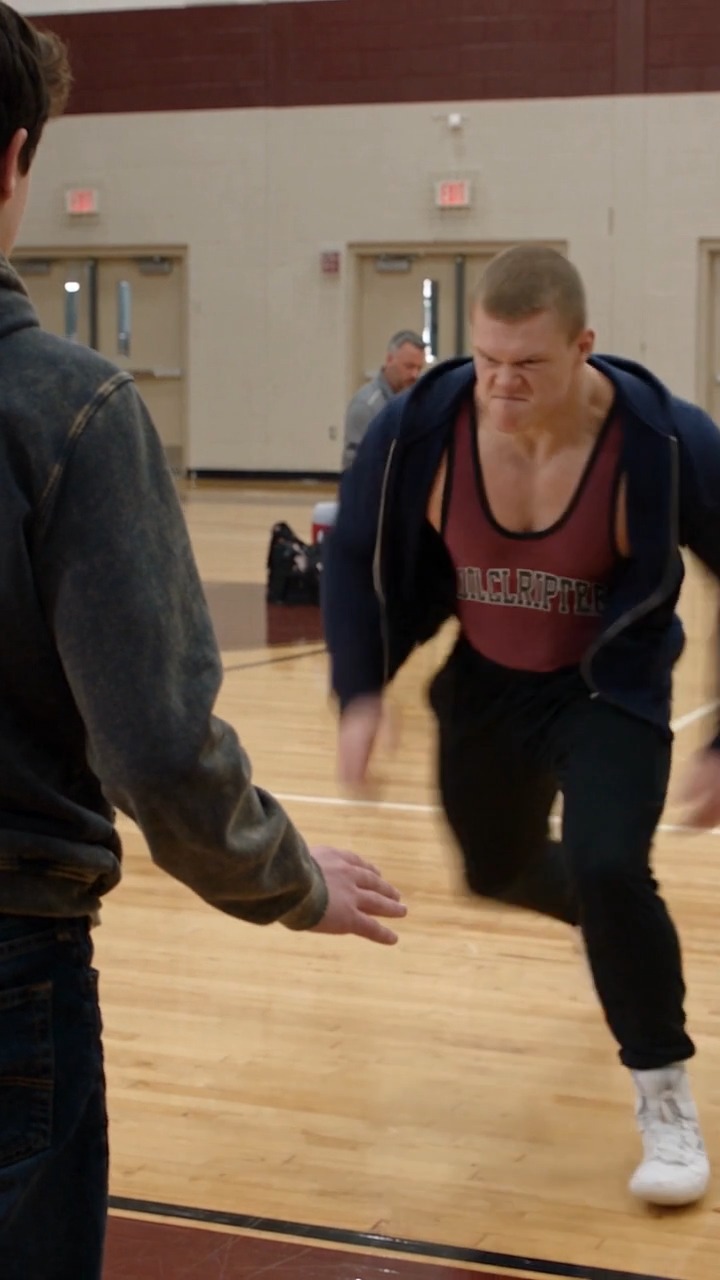
It had been three months since my father passed—three months since we buried the man the local papers once called “Iron Hand” Lennox, three months since my sister’s deployment orders came through and she asked me to watch Isla while she served. Three months of watching an 11-year-old girl carry grief that would have broken most adults.
Isla didn’t cry at the funeral. She stood beside me in a black dress, her blonde braid perfectly neat, and held my hand without a word. When people offered condolences, she nodded politely and said thank you. When they asked if she was okay, she said yes. She was lying, of course. We both were.
But the thing about Isla—the thing I’d learned in those three months—was that she processed pain the way my father had taught her. Through silence. Through discipline. Through showing up and doing the work, even when no one was watching.
So when she asked if she could join a local karate class, I said yes. I thought it might help. I thought being around other kids, learning something new, might give her something to hold onto. I didn’t realize she wasn’t looking for something new at all. She was looking for a place to continue what my father had already given her.
Westbrook Martial Arts was a clean, well-lit dojo in a strip mall between a nail salon and a smoothie shop. It smelled like disinfectant and old mats—a smell I remembered from childhood, from the years I’d spent watching my father train students in our backyard. The midday light cut through tall windows, and the chatter of children filled the air.
I sat on the parents’ bench near the door, scrolling through my phone, trying to give Isla space. She’d tied her own belt that morning—a plain white one I’d bought at a sporting goods store the day before. She hadn’t complained about starting over. She hadn’t mentioned that she’d been training since she was five. She just tied the knot, checked it twice, and walked onto the mat.
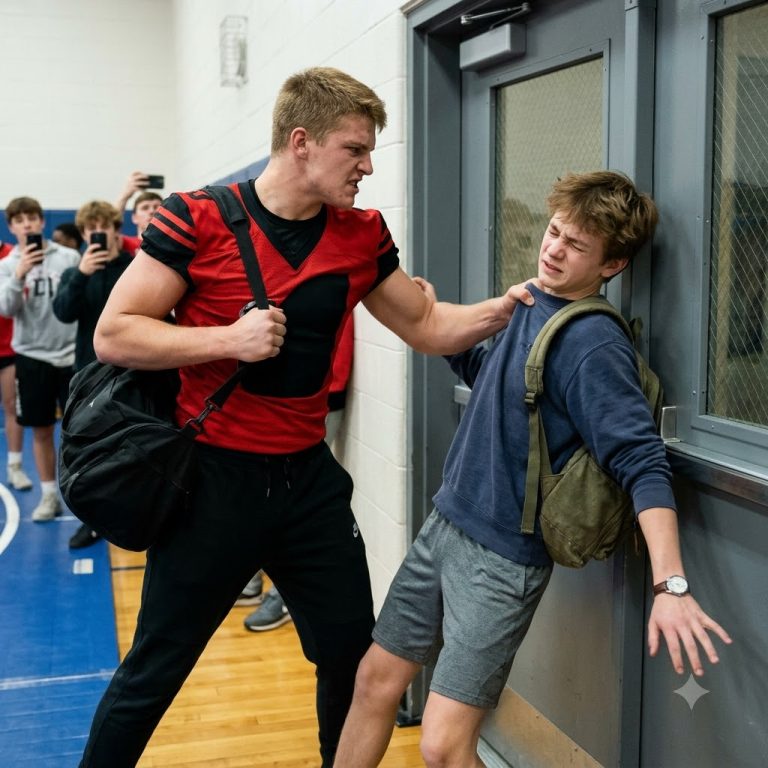
Three teenage boys in black belts stood near the mirrored wall, leaning with the easy arrogance of kids who’d never been challenged. The tallest one—Evan, I’d later learn—crossed his arms and smirked as Isla took her place at the edge of the mat.
“Hey,” he called across the room. “Did you get lost on your way to ballet?”
A couple of younger kids snickered. Isla didn’t move.
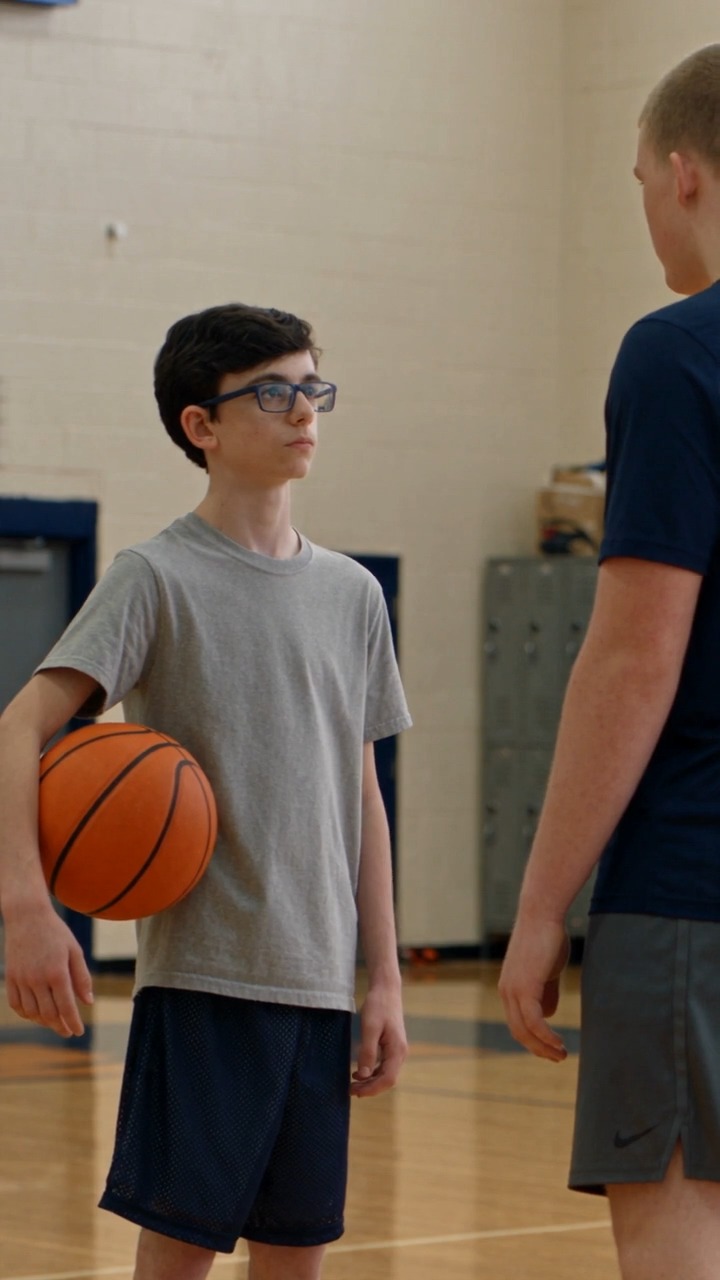
The shortest one—Tyson—tilted his head. “Seriously, whose little sister is this? You can’t just walk in and pretend to be in our class.”
I felt my jaw tighten. I started to stand, but something stopped me. Isla wasn’t looking at me. She wasn’t looking for rescue. She just stood there, hands at her sides, eyes forward, waiting.
The instructor—Sensei Calder, a fit man in his late 40s—was adjusting a heavy bag strap at the far corner. He either didn’t hear or chose not to step in. I’d learn later that he was watching more carefully than any of us realized.
“What belt are you?” Evan asked, his grin widening. “Oh, wait. You don’t have one.”
Isla had one. It just wasn’t from here. It wasn’t a belt at all—it was six years of training under a man who’d won national championships, who’d trained military combatives, who’d taught her that true mastery wasn’t about rank but about discipline. She had a black belt in the only dojo that mattered: her grandfather’s backyard, on the cracked concrete where she’d practiced kata until her legs shook.
But she didn’t say any of that. She just stood there, absorbing the mockery like water off stone.
The boys circled socially, making sure the other students noticed. The younger kids looked from Isla to the black belts and back, uncertain if this was supposed to be funny. Parents glanced up from their phones, drawn by the tension.
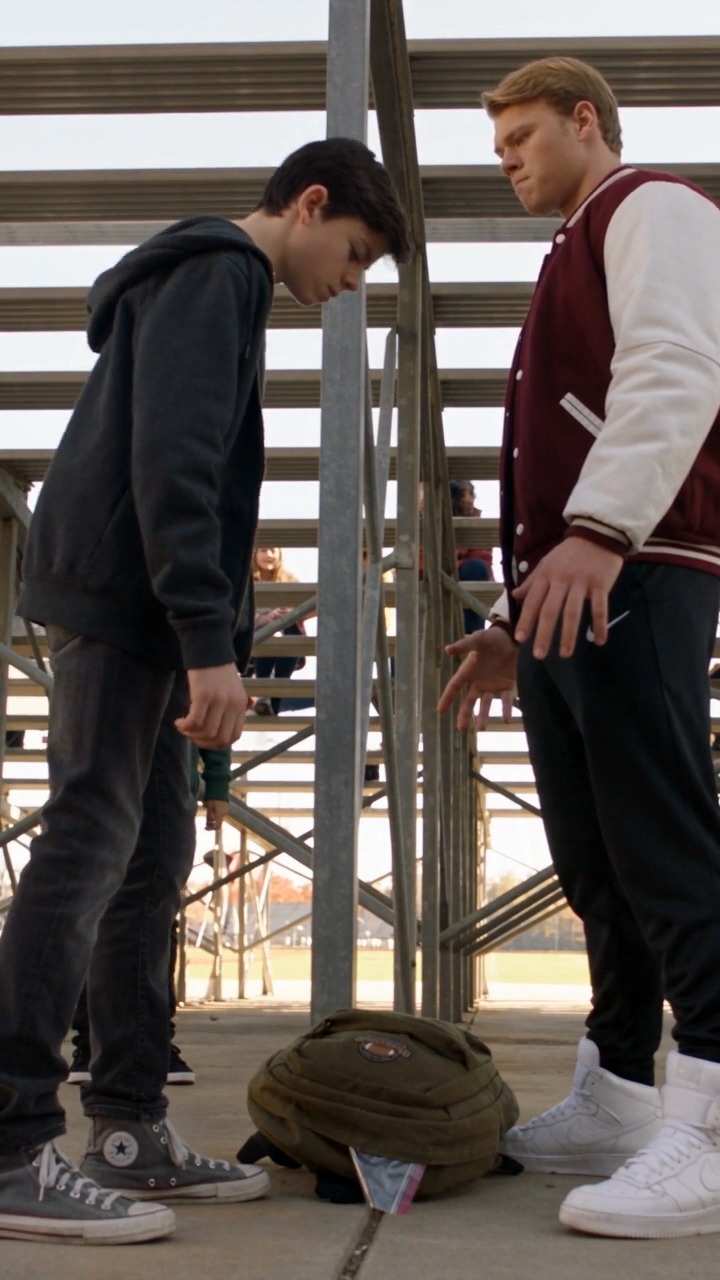
Tyson took a step closer, standing just inside her personal space. “If you’re here to watch, there’s a bench over there.” He pointed toward the door where I sat.
A cloud passed outside, dimming the room for a breath.
Isla’s braid swung slightly as she tilted her head. Her voice was quiet, almost lost in the ambient noise. “I’m here to train.”
Tyson laughed. “Train? With us?”
Isla didn’t look at him. Her eyes flicked to the wall where a framed black-and-white photograph hung—a picture of an older man in a gi, standing in a fighting stance. I recognized it immediately. It was my father, decades ago, in his prime. Calder’s old teacher, I’d learn later. Or at least, that’s what they thought.
She looked back at Tyson, her expression unreadable. He opened his mouth to push further, but something in her stillness made him pause. It was small, but it was the first crack.
Sensei Calder clapped his hands once. “All right, pair up for warm-ups.”
The command broke the moment. Students moved, feet scuffing the mats, voices overlapping. Evan and Tyson drifted toward each other, and the third boy—Liam, lanky and quiet—stayed behind a half-second too long before joining them.
Isla waited, hands behind her back, until it was clear no one would invite her.
Calder glanced her way. “You. You can work with Maya.”
Maya, a soft-spoken girl around Isla’s age with a yellow belt, gave an uncertain smile. They bowed to each other and began slow drills—stepping forward into basic punches. Isla’s movements were deliberate, almost measured in a way that didn’t match the beginner’s energy around her.
Evan watched from across the room. “She moves weird,” he muttered.
Tyson smirked. “Like she’s in a movie.”
They didn’t notice Calder glance at Isla once, then again. His expression didn’t change, but his eyes tracked her foot placement—the way her back heel never lifted, the way her shoulders stayed level.
Maya noticed too, but in a different way. “You’re really good,” she whispered between strikes.
Isla gave a tiny shake of her head. “Just practiced.”