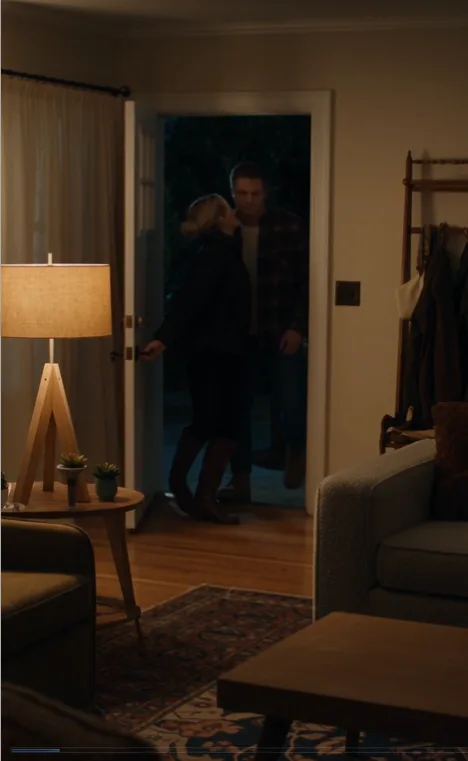
She had spent years telling patients that nervous-system reactions were not weakness.
Then found herself sitting in her car outside the gym with both hands on the steering wheel.
Her throat was healed.
The body remembered anyway.
She hated that.
She also hated the idea of Dylan deciding, indirectly, whether she trained.
So she went inside.
Raymond met her near the front desk.
“You want to talk?”
“No.”
“Okay.”
“You going to ask if I’m comfortable?”
“No.”
“Good.”
He smiled.
Then she added:
“I’m not.”
Raymond nodded.
“Okay.”
That answer mattered.
No fixing.
No speech.
She trained drilling only.
No live rounds.
Her choice.
The next week, she sparred with Nina Gomez.
Purple belt.
Thirty-six.
Emergency-room nurse.
Before the round, Nina asked:
“Pace?”
“Light.”
“Neck attacks?”
Samantha froze.
Then said:
“Yes.”
Nina nodded.
No encouragement.
No brave face.
They trained.
At two minutes, Nina found a loose choke position.
Not tight.
Samantha tapped immediately.
Nina released before the second tap.
Samantha sat up.
Her heart was racing.
Nina asked:
“Again?”
Samantha took a breath.
“Yes.”
They reset.
Nothing dramatic happened.
That was the point.
The body needed boring evidence.
Tap.
Release.
Safe.
Again.
Tap.
Release.
Safe.
By the end of the round, Samantha was tired.
That irritated her.
After class, she walked over.
“You can look at me.”
He looked up.
“I didn’t want to make you uncomfortable.”
“You already did.”
Dylan flinched.
Fair.
Samantha continued.
“But pretending I’m not here is weird.”
He nodded.
“Yes.”
Silence.
Then he said:
“I’m sorry.”
She waited.
“I thought I knew when you should stop.”
“That’s what Martin said.”
“I know.”
“Do you believe it?”
Dylan looked at her.
“Yes.”
“That fast?”
He almost smiled.
“No.”
Good answer.
He continued.
“I believe I was wrong.”
“I’m still trying to understand why I thought it was okay.”
Samantha nodded.
“That’s better.”
She turned to leave.
Dylan said:
“Sam.”
She stopped.
“I’m not asking you to forgive me.”
“Good.”
“I just wanted to say it.”
She nodded.
Then left.
That was the beginning of repair.
Not the end.
Martin kept coming to Harborline once a week.
Not as a coach.
Raymond asked him to consult on safety culture.
Martin initially refused.
Then agreed after Raymond offered to pay him.
Important.
Expertise is still labor, even when offered by an older man in a gray sweatshirt.
They reviewed class structure.
Partner matching.
Intensity agreements.
Instructor authority.
Incident reporting.
The biggest problem was not technique.
It was language.
Hard people finish rounds.
Don’t tap to pressure.
You had more.
Stop quitting.
Some phrases were not banned.
Context mattered.
But instructors were taught to distinguish challenge from shame.
Instead of:
You tapped too early.
Try:
What made you stop there?
Instead of:
You were safe.
Try:
Want to look at what options you still had?
Instead of:
Don’t panic.
Try:
Let’s recreate it slowly.
Small language change.
Different power dynamic.
Dylan listened from the back of the room.
He was not required to attend every workshop.
He did anyway.
One evening, Martin noticed.
“Trying to earn points?”
Dylan frowned.
“No.”
“Good.”
“Why?”
“Because I don’t have any.”
Dylan smiled.
Then asked:
“Can I ask you something?”
“Yes.”
“What happened to your student?”
Martin became still.
Raymond looked over.
He knew.
Most did not.
Martin sat.
Twenty-six years earlier, Martin coached a young grappler named Eric Fallon.
Twenty-four.
Talented.
Strong.
Preparing for a major regional tournament.
During a hard training session, Eric tapped to a neck crank.
His partner released.
Then Martin told Eric he had quit early.
Not cruelly.
Coach voice.
Confident.
He reset the position.
Asked Eric to work longer before tapping.
Eric trusted him.
Second attempt.
Eric stayed.
Too long.
He injured a cervical disc.
Surgery.
Months of rehabilitation.
He eventually recovered enough for ordinary life.
Never returned to competition.
Dylan stared.
“You made him stay?”
Martin nodded.
“Yes.”
“Did he blame you?”
“For a while.”
“Do you blame yourself?”
Martin looked at him.
“Yes.”
Dylan was quiet.
Martin continued.
“I thought I was teaching resilience.”
“I was teaching him to distrust his own stop signal.”
“That is why I stood up.”
Not because Martin was perfect.
Because he recognized the old mistake.
That changed Dylan more than the résumé had.
A legend can be dismissed as exceptional.
A person admitting the same failure is harder to ignore.
Two weeks became three before Dylan returned to sparring.
Raymond extended the suspension voluntarily after reviewing the situation with him.
Dylan agreed.
That mattered.
His first live round back was with Aaron Price.
The younger fighter who had trained hard with him before.
Aaron looked nervous.
Dylan saw.
“Want someone else?”
Aaron shook his head.
“No.”
“Pace?”
“Medium.”
“Okay.”
Round started.
Two minutes in, Aaron tapped from a shoulder lock before Dylan thought he needed to.
Old thought appeared.
Too early.
Dylan felt it.
There it was.
Automatic.
He released immediately.
Aaron sat up.
“Sorry.”
Dylan almost said:
You had space.
Instead:
“No problem.”
Then:
“Want to see the escape?”
Aaron nodded.
They worked it slowly.
Martin watched from the wall.
No praise.
Good.
Change is more real when it does not need applause.
Months passed.
The gym became safer.
Not softer.
Important distinction.
Rounds were still hard.
Tournament team still trained intensely.
People still got bruised.
Lost rounds.
Got exhausted.
What changed was ownership.
Hard was agreed.
Stop meant stop.
No one had to prove toughness by surrendering control of the decision to continue.
Samantha returned to competition six months later.
Small local event.
She lost first round.
Points.
No submission.
She was furious for ten minutes.
Then hungry.
Normal.
Dylan competed the same day.
Won his division.
In the final, his opponent tapped to a choke.
Dylan released so fast the referee had barely touched his shoulder.
Nobody noticed.
Martin did.
He smiled.
Afterward, Dylan found him near the bleachers.
“You saw?”
“Yes.”
“That one was fully in.”
Martin nodded.
Dylan waited.
Martin smiled.
“What?”
“I released.”
“I know.”
“That’s it?”
“What do you want?”