The girl sat. The jar sat between them, the creek water going clear, pebbles turning gold in the last of the light. Susan started at the beginning — not the beginning of the war, but the beginning of the quiet, because that was where the story actually lived. The quiet hadn’t been empty. She understood that now. It had been full, and heavy, and carried a long way by a man who never once set it down in front of anybody. The girl asked questions until suppertime. Susan answered what she could and said *I don’t know* to the rest, and found that saying it out loud didn’t feel like failing. Later, alone again, she opened the drawer where Henry Caldwell’s four-page letter lived. She unfolded it along creases that had gone soft as cloth, read two lines, folded it back the same way. Then she picked up the pencil. Outside, rain began on the shed’s tin roof — light, then steady, then certain. It sounded like something being remembered.
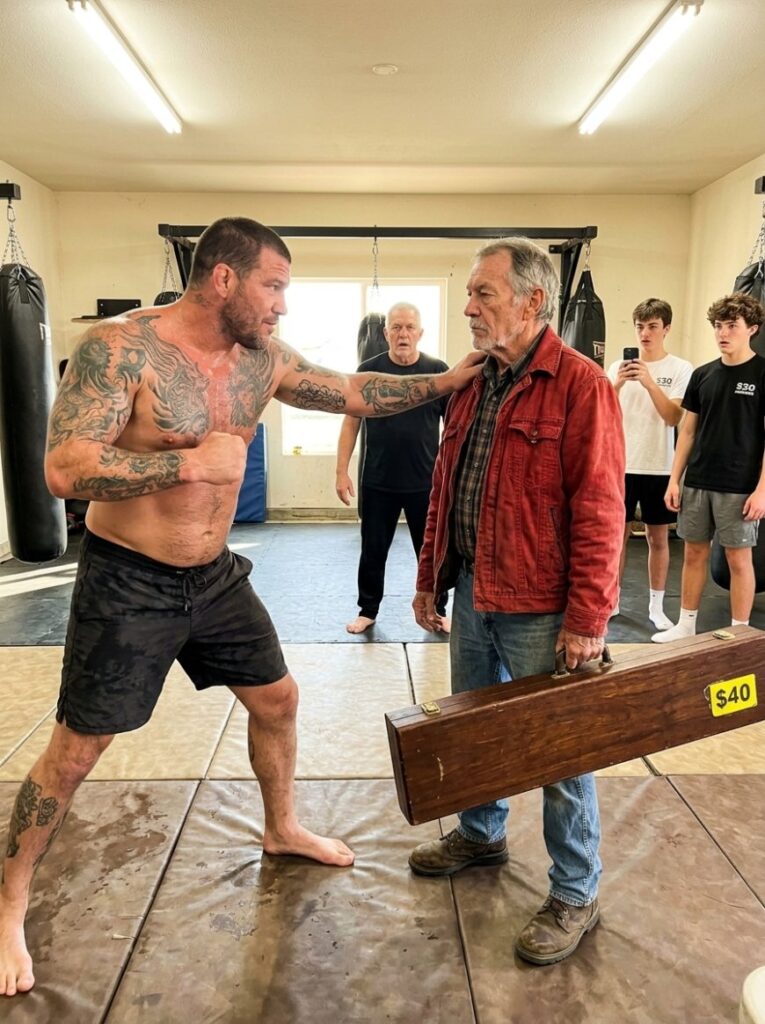
PART 2: “It’s Just A $40 War Souvenir,” The Grandson Laughed